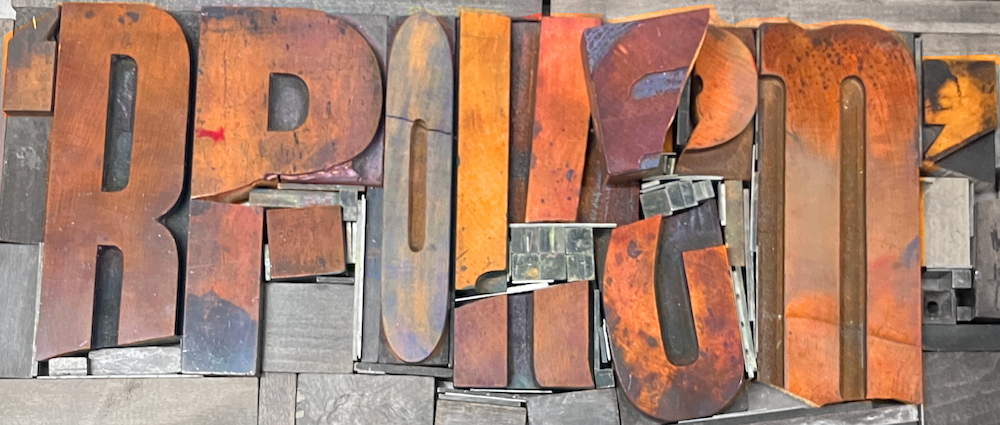
Broken Wood Type Gallery
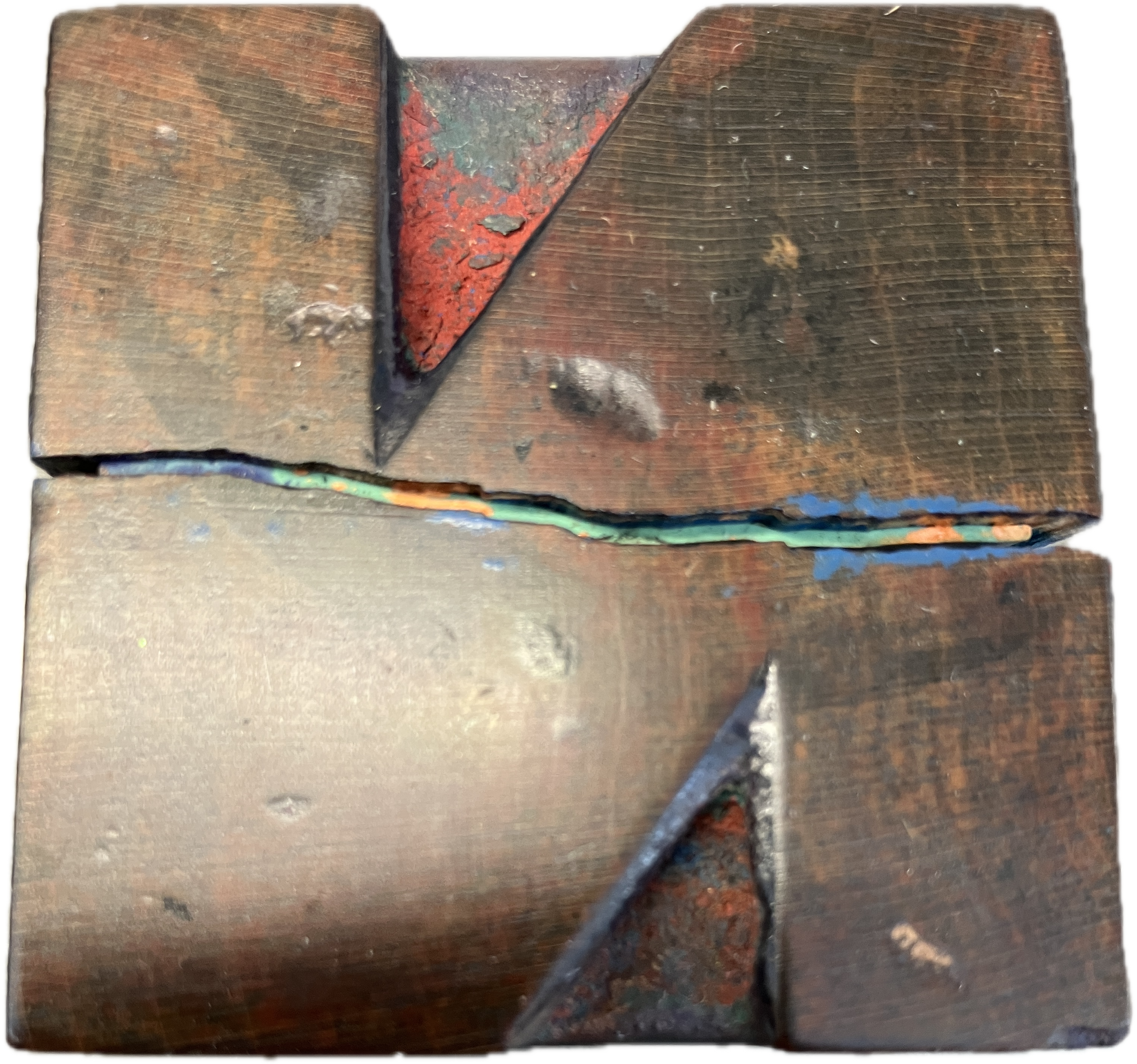
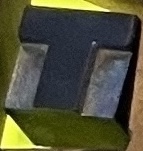
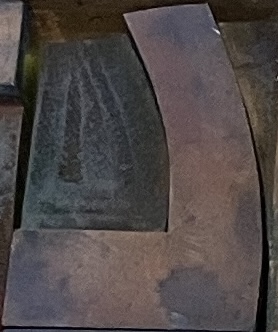
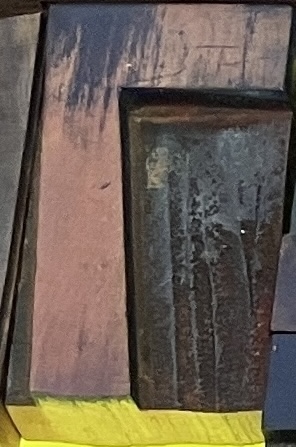
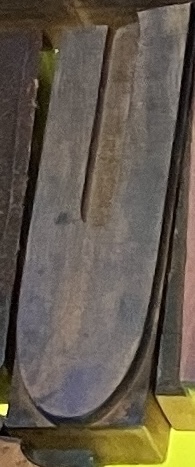
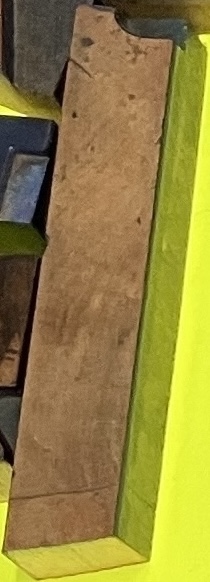
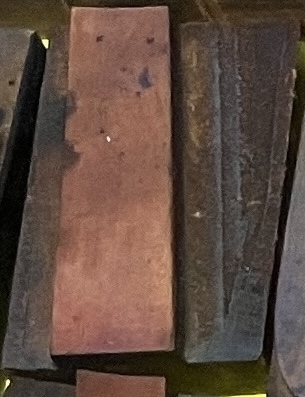
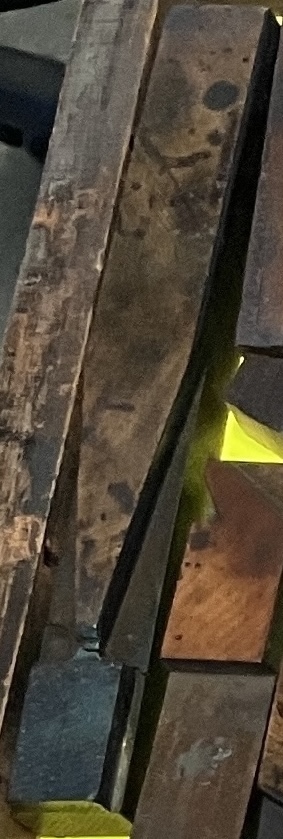
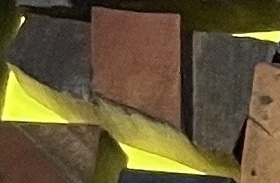
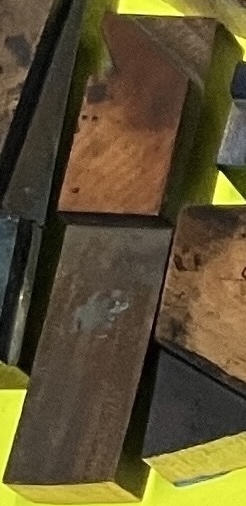
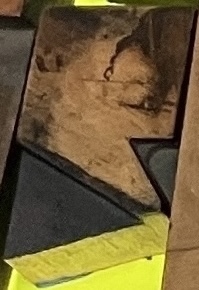


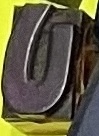
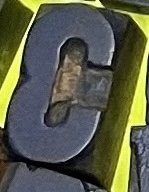
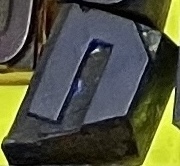
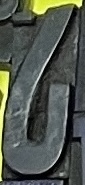
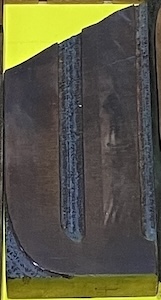
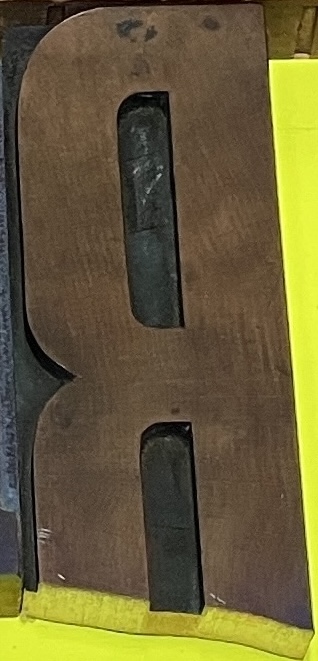
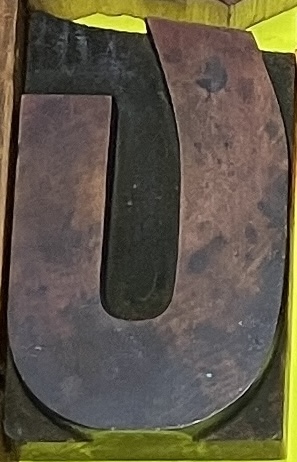
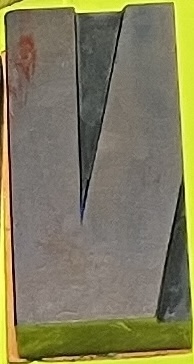

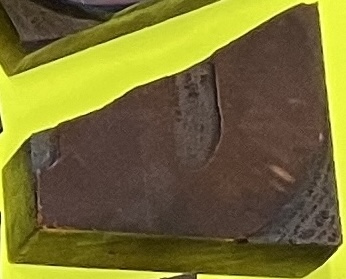
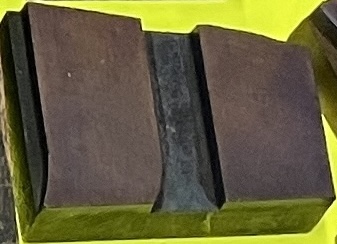
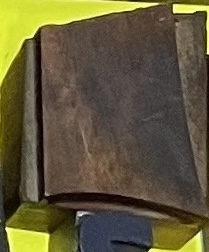
About the Home for Broken Wood Type
I love how wood type carries the story of its human use. See
If you have pieces of broken wood type you aren't using: please email me!
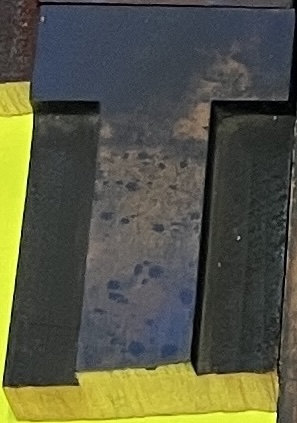
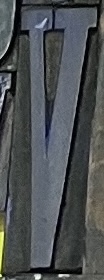
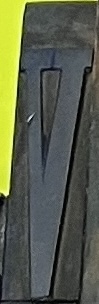
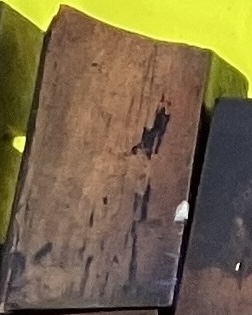
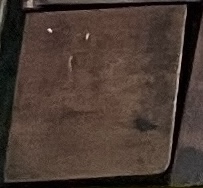
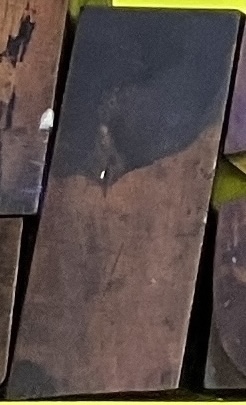
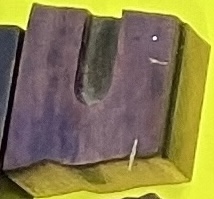
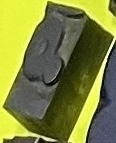
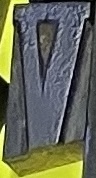
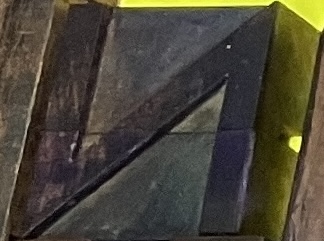
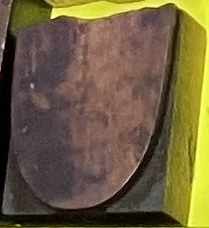
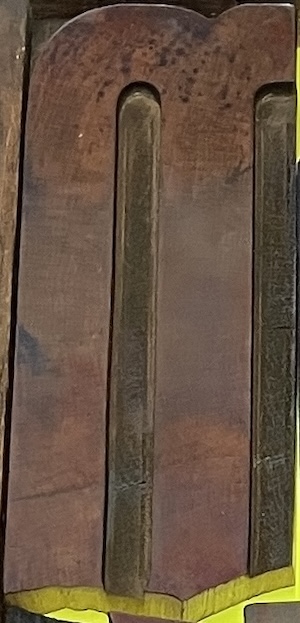
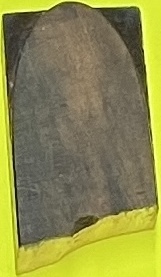
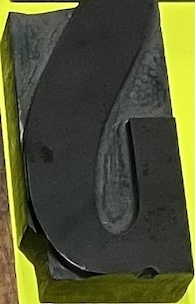
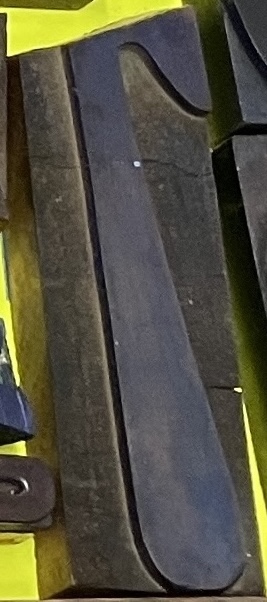
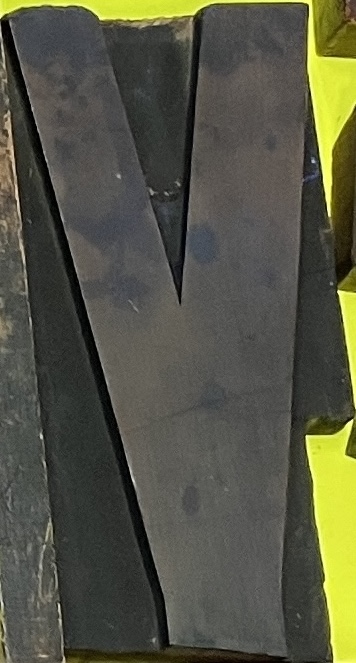
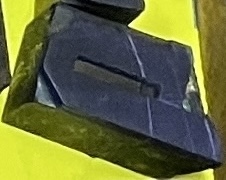
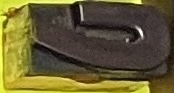
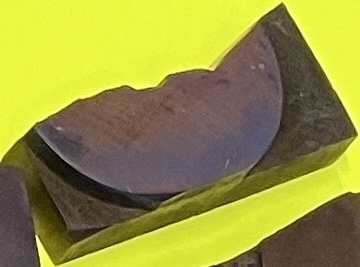
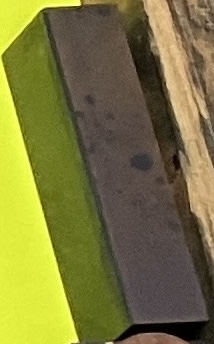
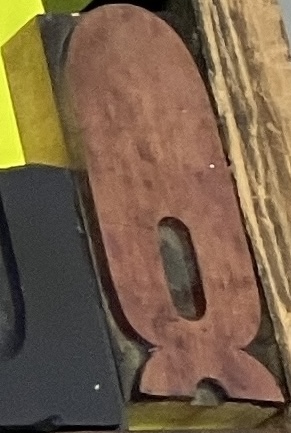
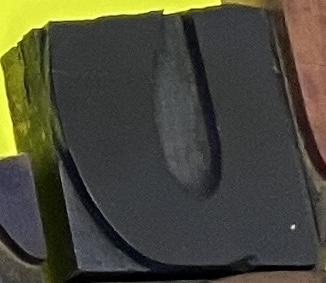
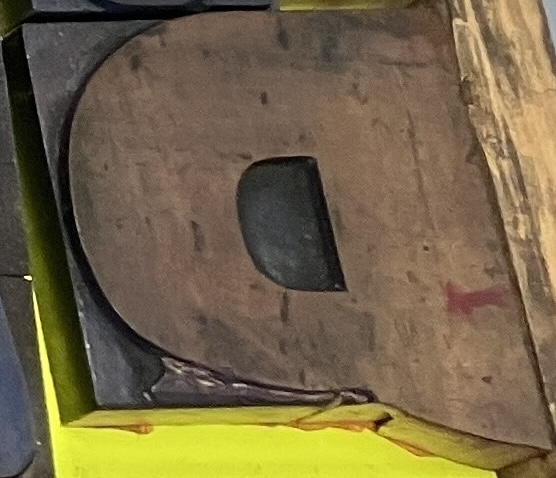
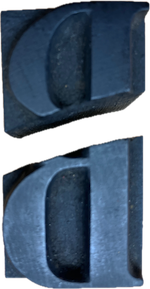
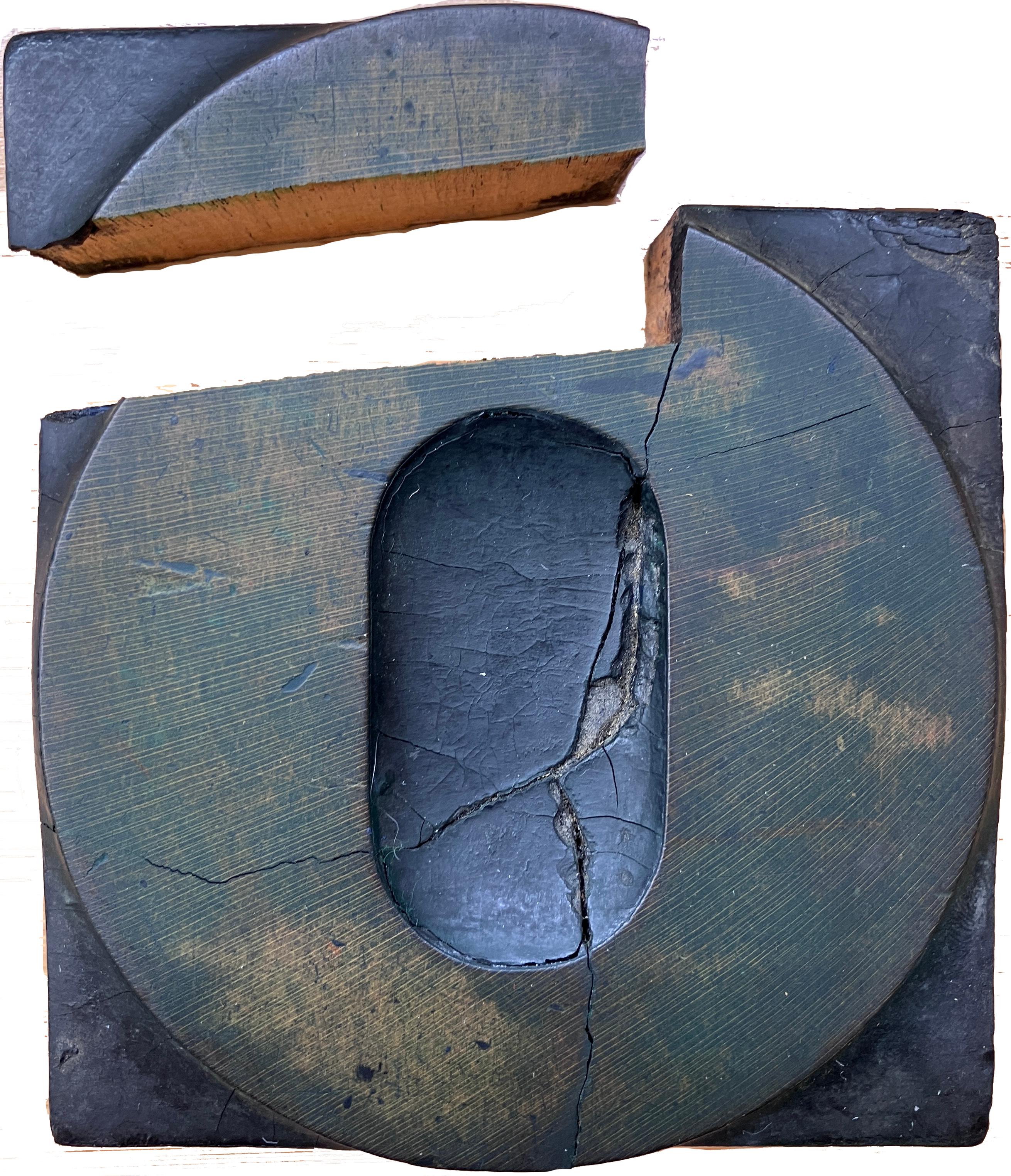
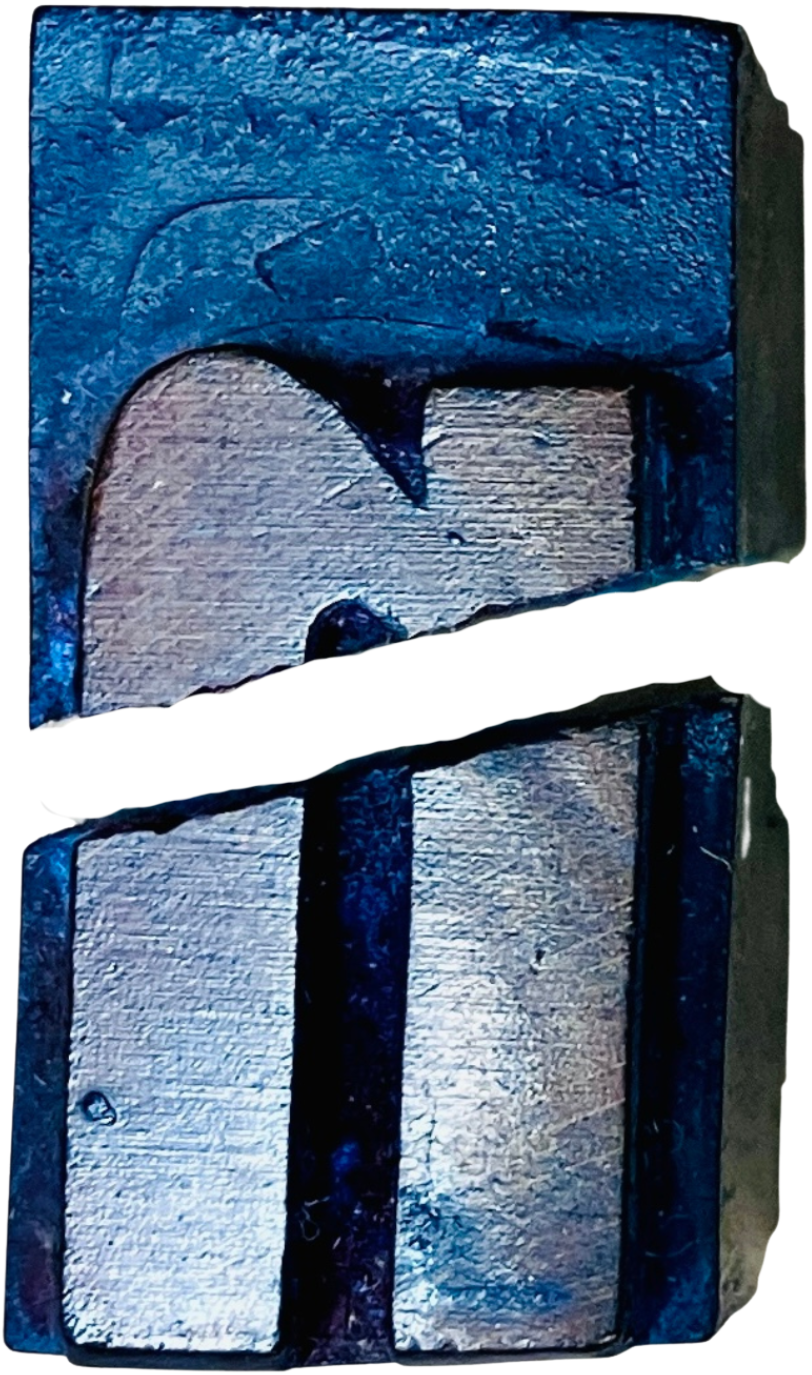
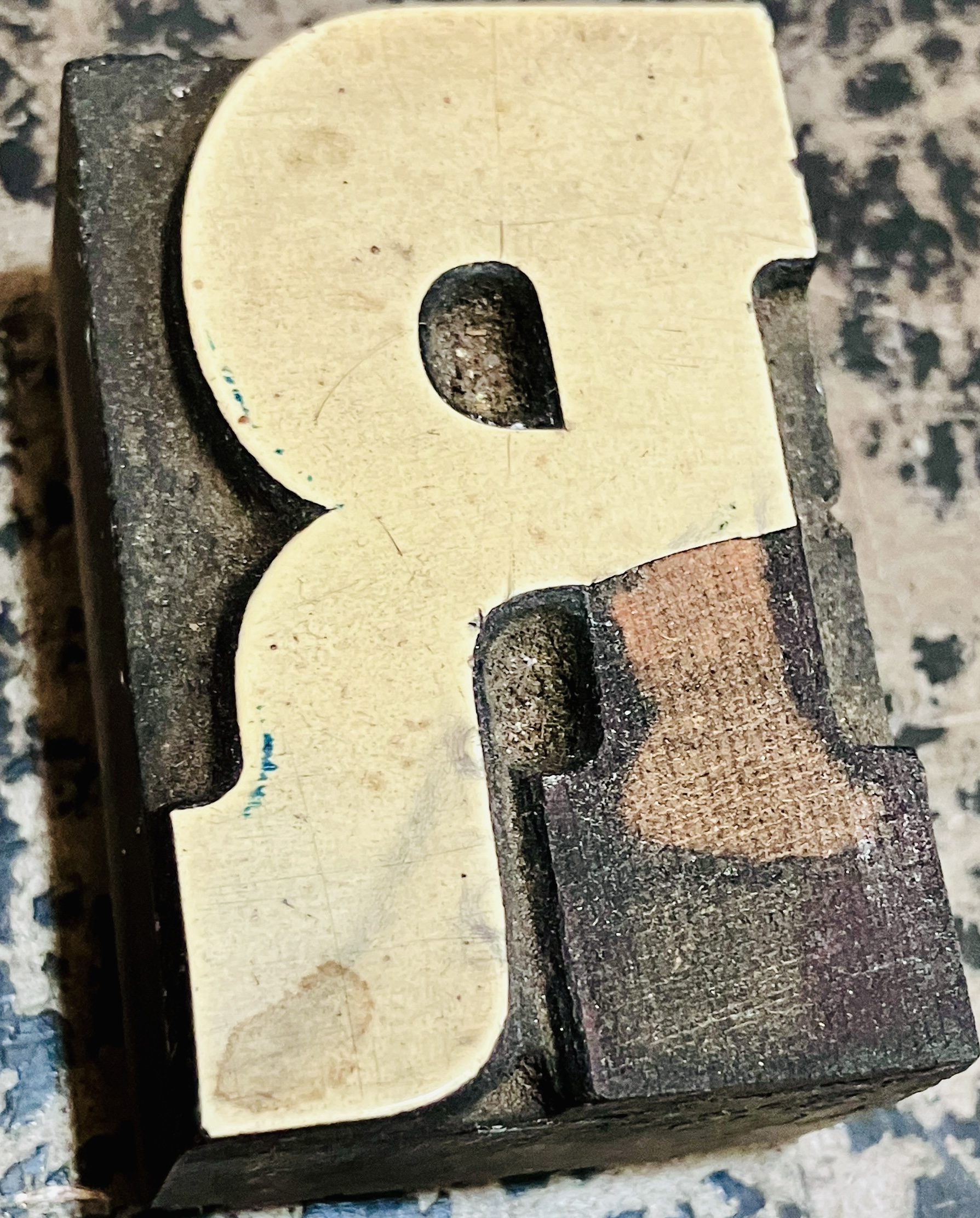
I'll pay for shipping to get these to a good next home in my broken-type collection (and send you a print made from broken wood type if you're interested & I have any left). I'm interested in all kinds of broken wood letterpress type: they *really don't* need to have all the pieces of a whole sort, be an identifiable typeface or character, nor be mendable. Send me your unfathomable type-high wood shards, as well as things broken but closer to original form :) I'll take better photos of them, too—most of the current gallery is from type I didn't have a chance to photo up close before a winter storm closed the studio.
In early 2026, I started a broadside print project using Penland School of Craft Letterpress Studio's broken wood type. I then cleaned a case to make a new safe storage home for them that suggests mending, gently printing, and preserving rather than tossing into the dreaded Hell Bucket (Penland's is a whole bucket, not a jar/box; love it). I’ll be printing with more broken wood type, including to encourage folks not to discard it. I'll also document the different ways different kinds of wood type has broken (e.g. material, character, typeface, size, ???), and get practice mending and protecting such type when it's in mendable condition.
In case anyone is worried—no type is being deliberately broken! 😱 I have a background in book history, librarianship, and preservation. Any type that looks at risk of further breakage is *not* being printed with. Printable broken type is treated with extra care—e.g. not overtightening the quoins, attending to what the broken edges are against, etc. My goal is type preservation over print use <3. When a sort's printing time is done, it still has beauty, a story in its fingerprints and dings, and a reminder that much of our cherished letterpress equipment is rapidly aging and no longer replaceable (at least in quite the same way, same history and makers, etc.).
Penland's Home for Beloved Broken Wood Type
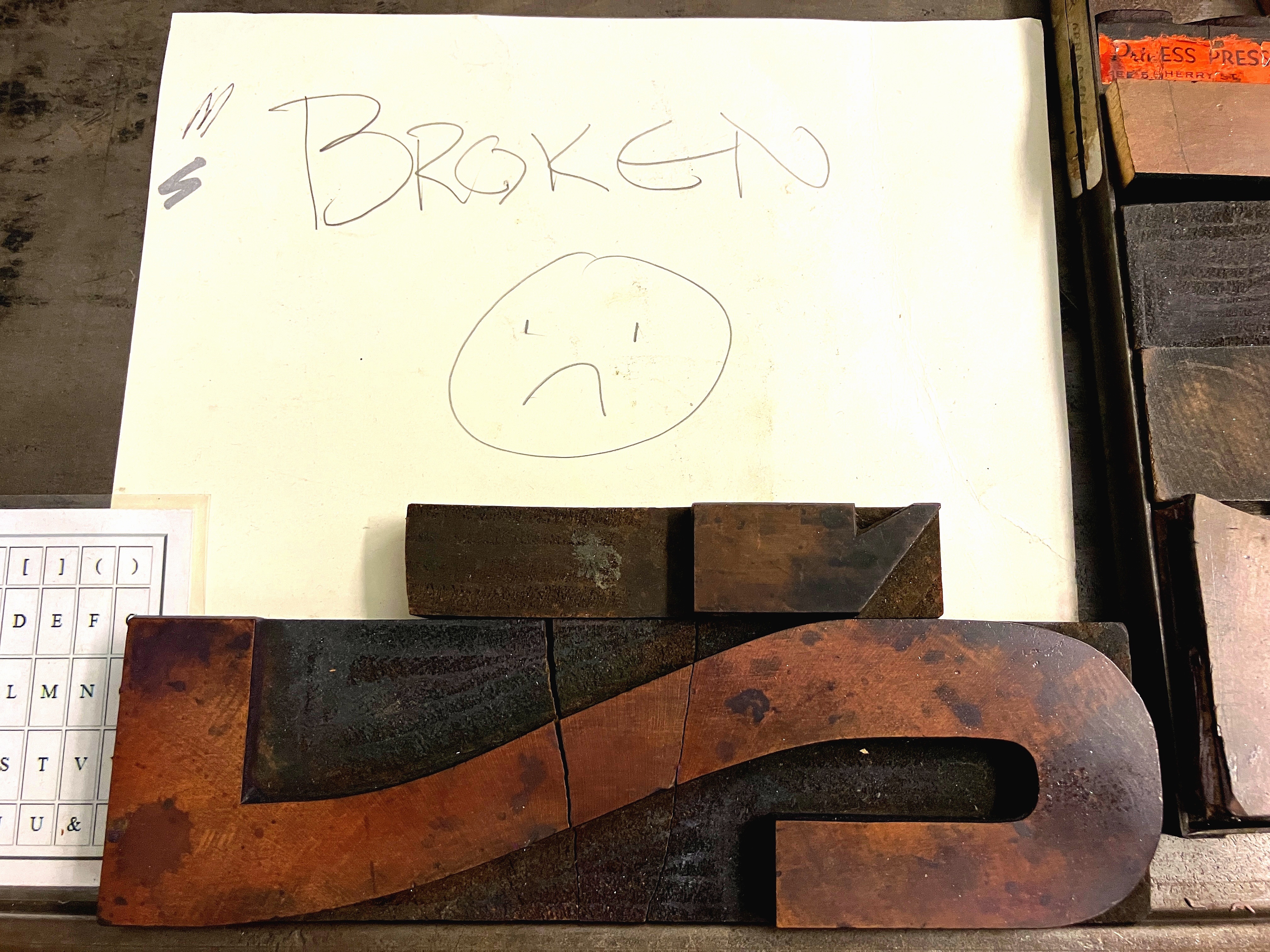
Original status: ":(".
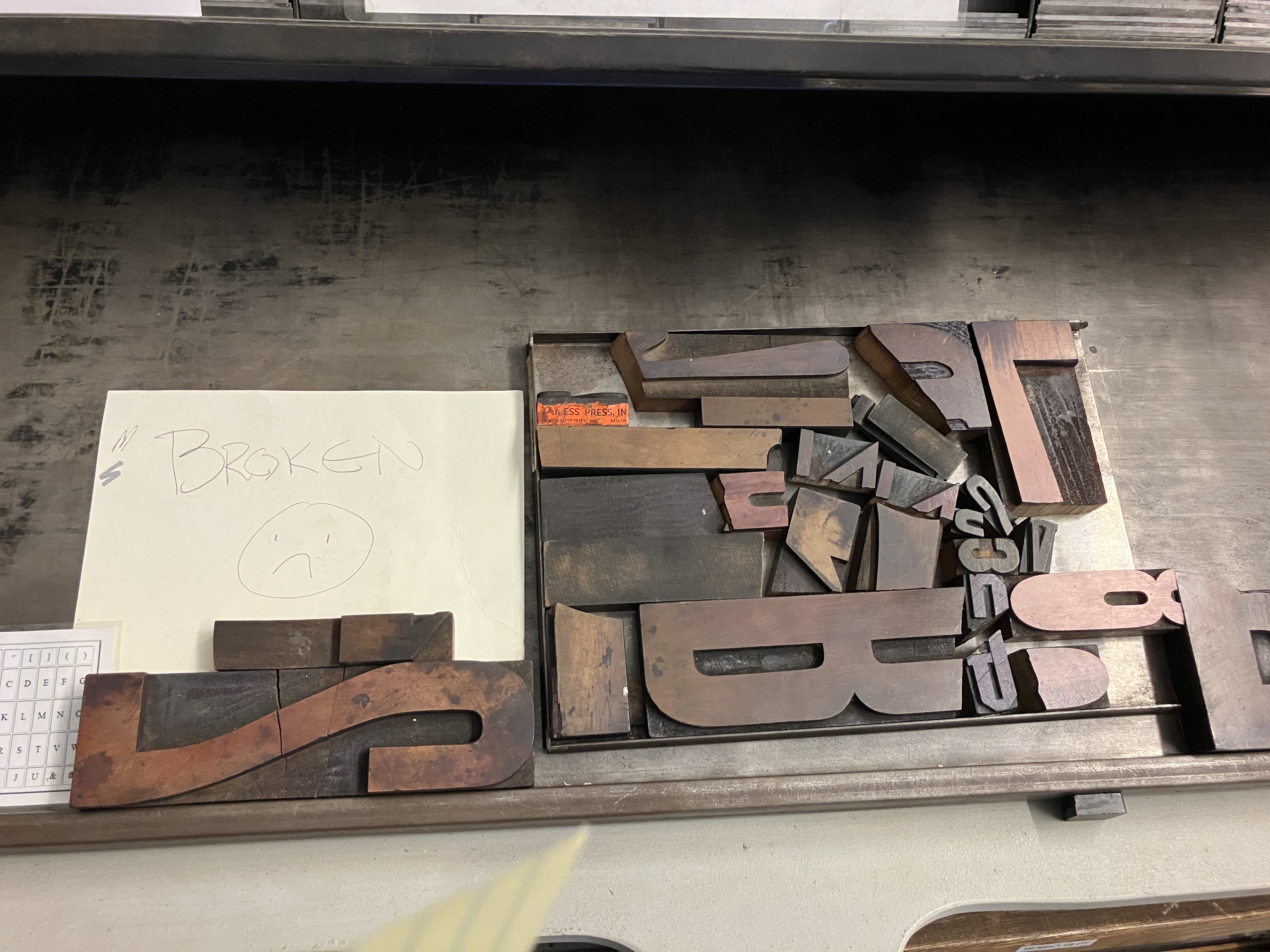
Original pile, which was then added to, cleaned, sorted.
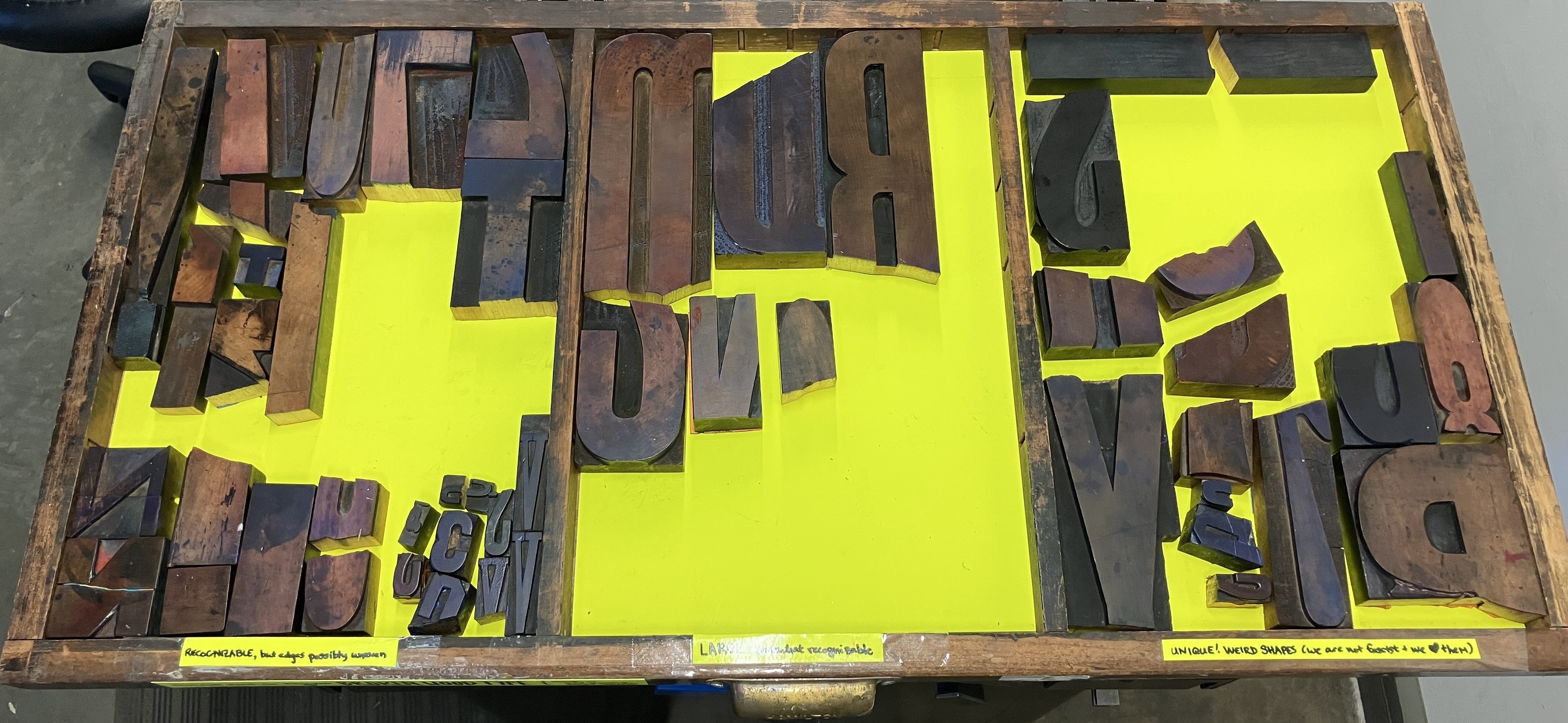
Sections for recognizable sorts, large pieces, and unrecognizable (when printed on their own) pieces.
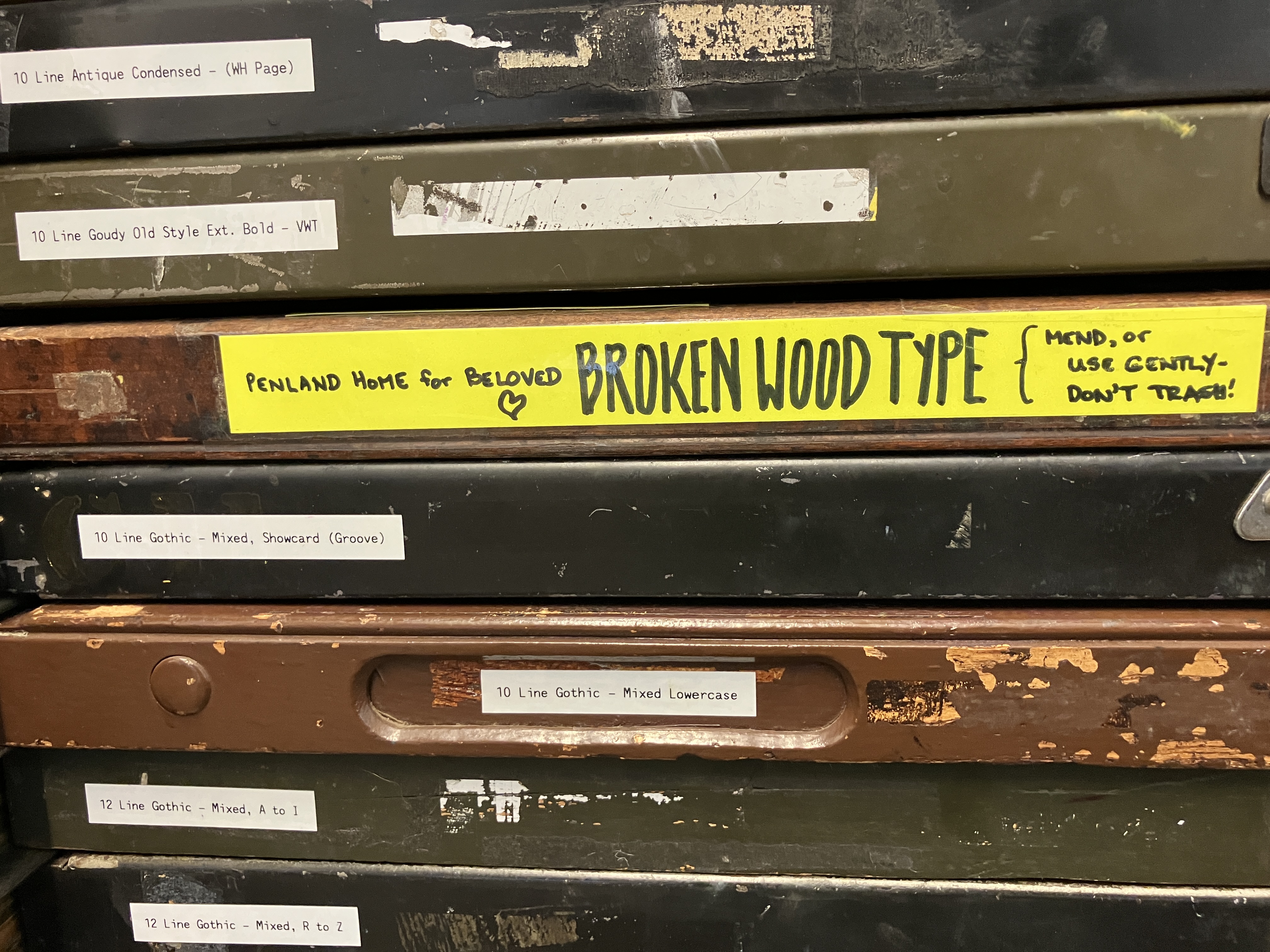
Shelving alongside whole wood type encourages use & discourages throwing broken type away (or filing it into a missable "what do we do with this" pile).
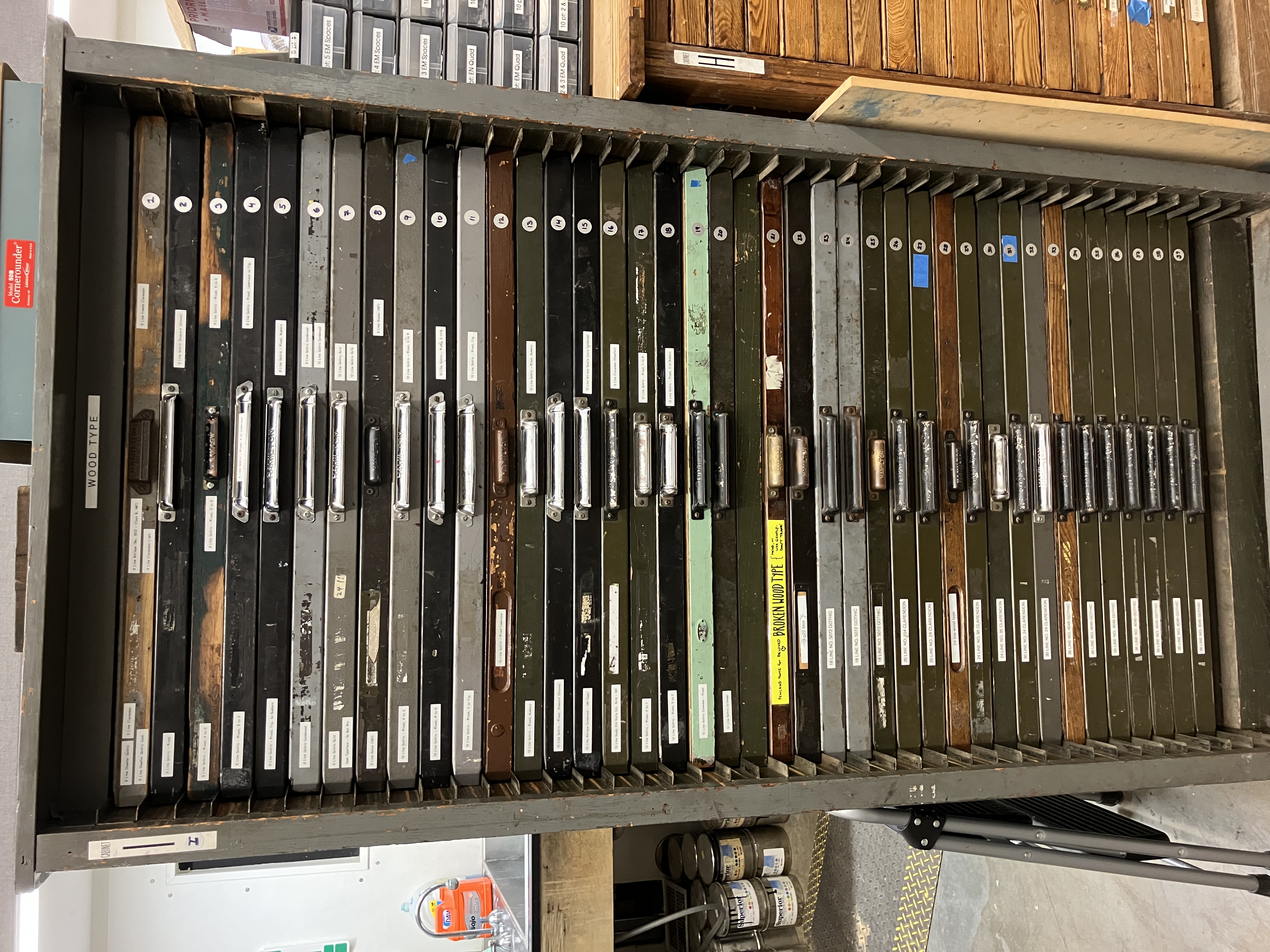
I created a new case, lining, and labels (with some of my non-traditional letterpress color palette...) for Penland's broken wood type, in January 2026 during a monthlong fellowship & artist residency in the Letterpress Studio. One inspiration for this work was Leslie Noell and Eileen Wallace's beautiful project printing the backs of some of Penland's Gothic wood type.
Printing (carefully) with broken type
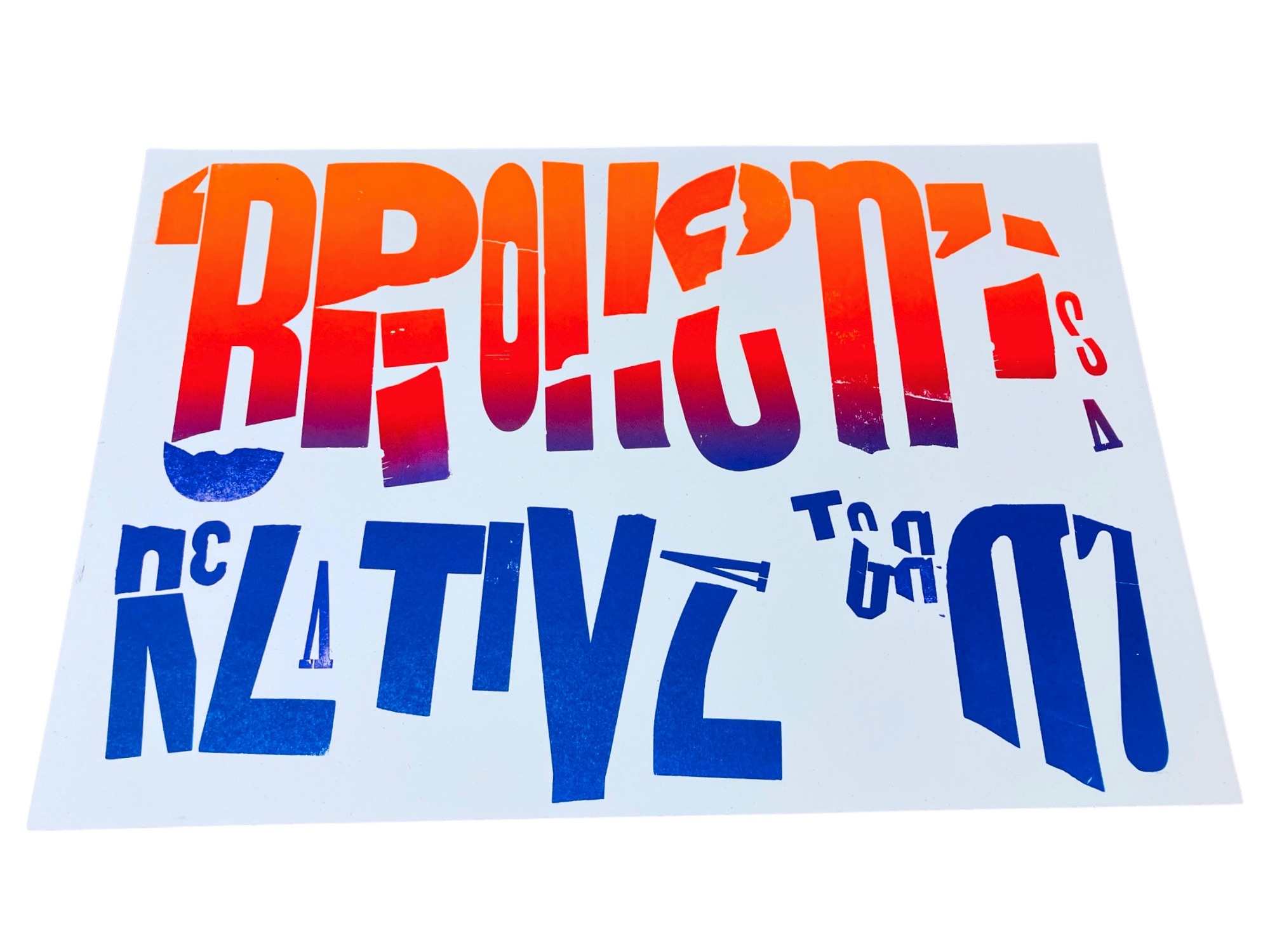
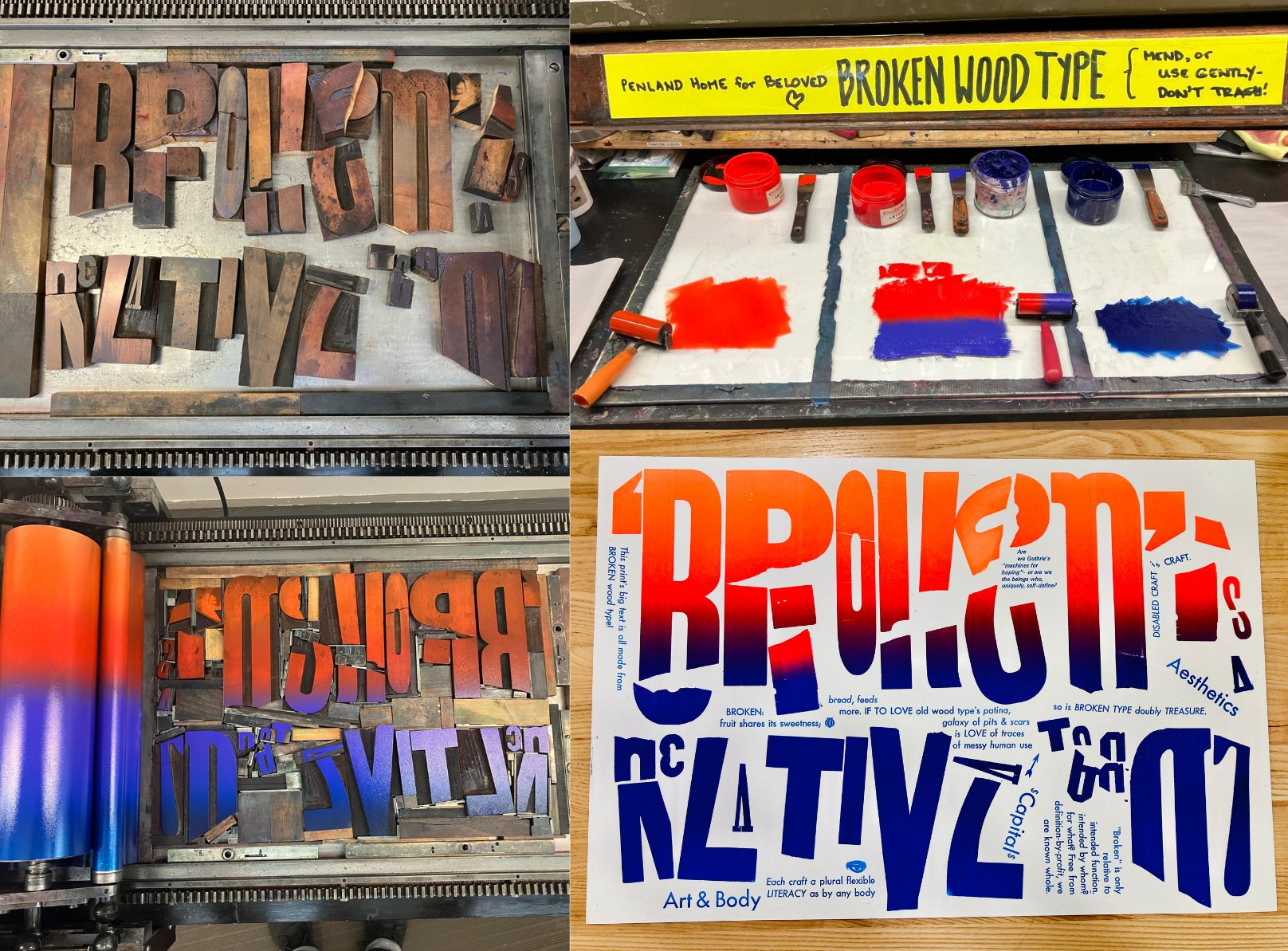
My 21" wide x 14.5" high broadside incorporates broken wood type from Penland (the largest type, arranged to say "'Broken' is a relative term") as well as lead type from Virginia Book Arts.
"Broken is a relative term": a giant poster print in bright dayglo red-blue-purple gradient inks, with the huge text ("Broken is a relative term") created entirely from pieces of broken wood type in Penland School of Craft's collection. Full of little text areas about disability & craft, identity, anti-capitalism, self-love, & an ode to not just the beauty of old wood type but broken type too.
It's available at my print store.
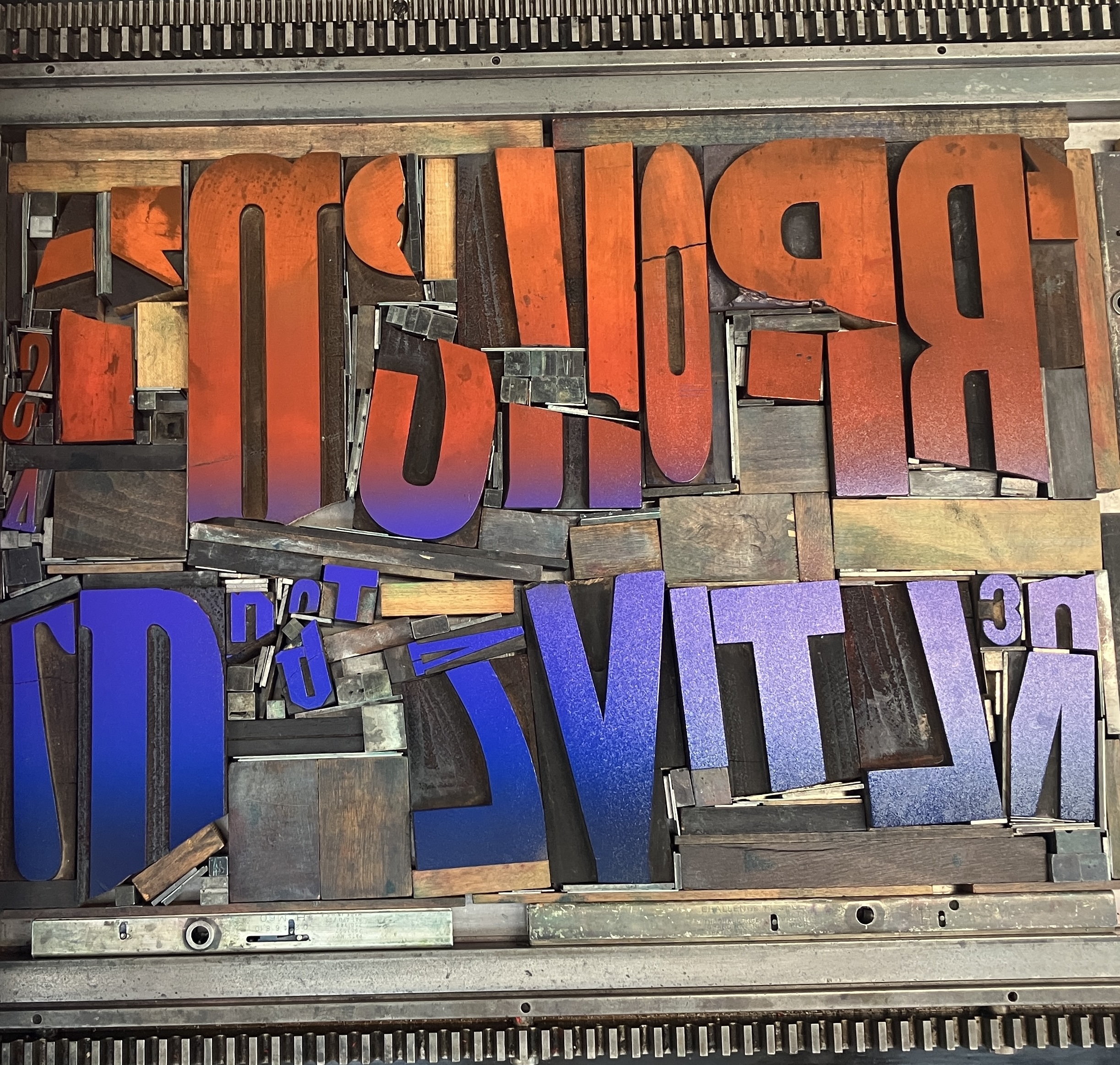
The gradient was hand inked! (I was on a sprint of trying to learn to tolerate hand brayering, but instead ended up loving it.)
Night sky & nebulae: the beauty of used wood type
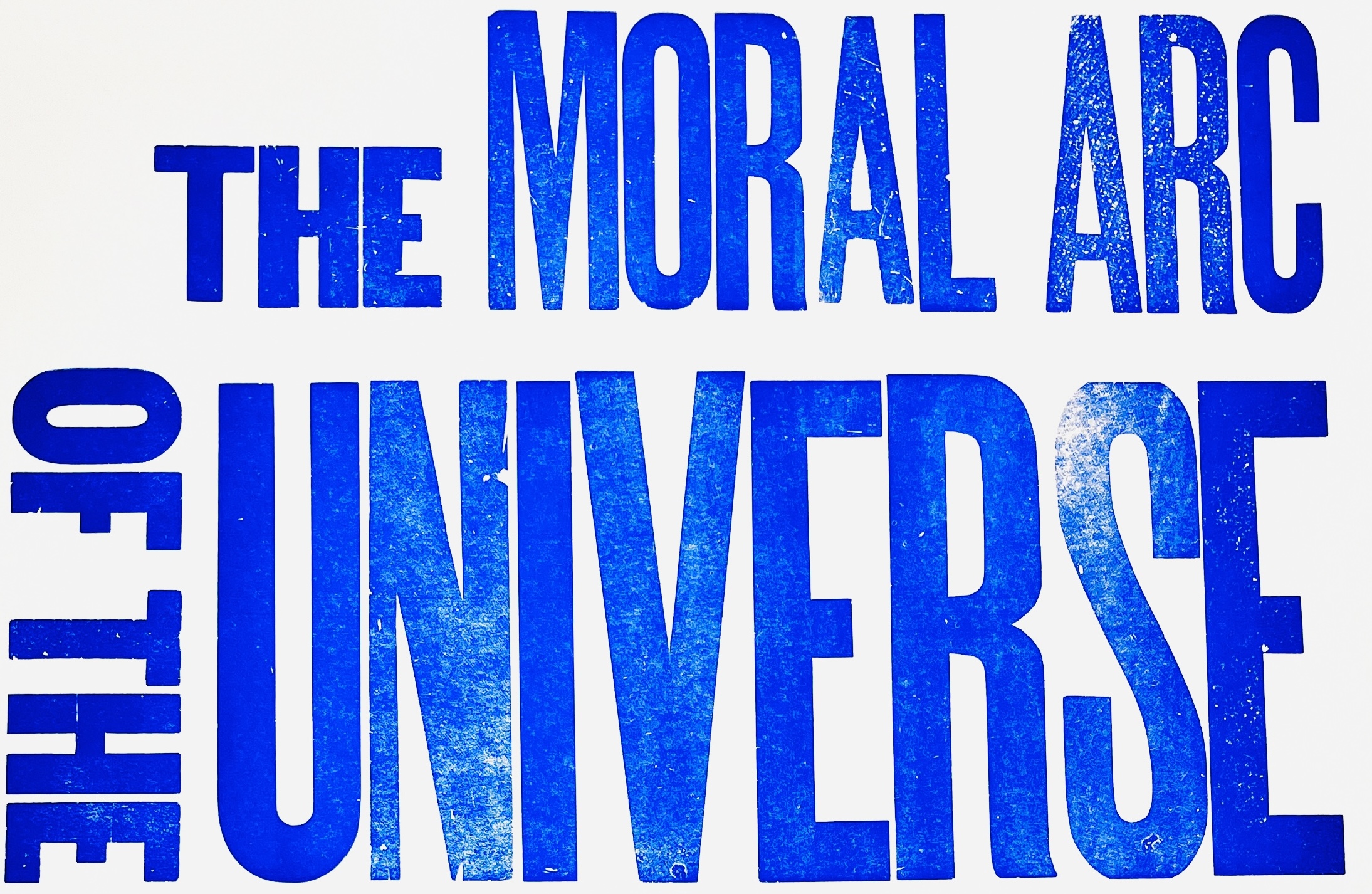
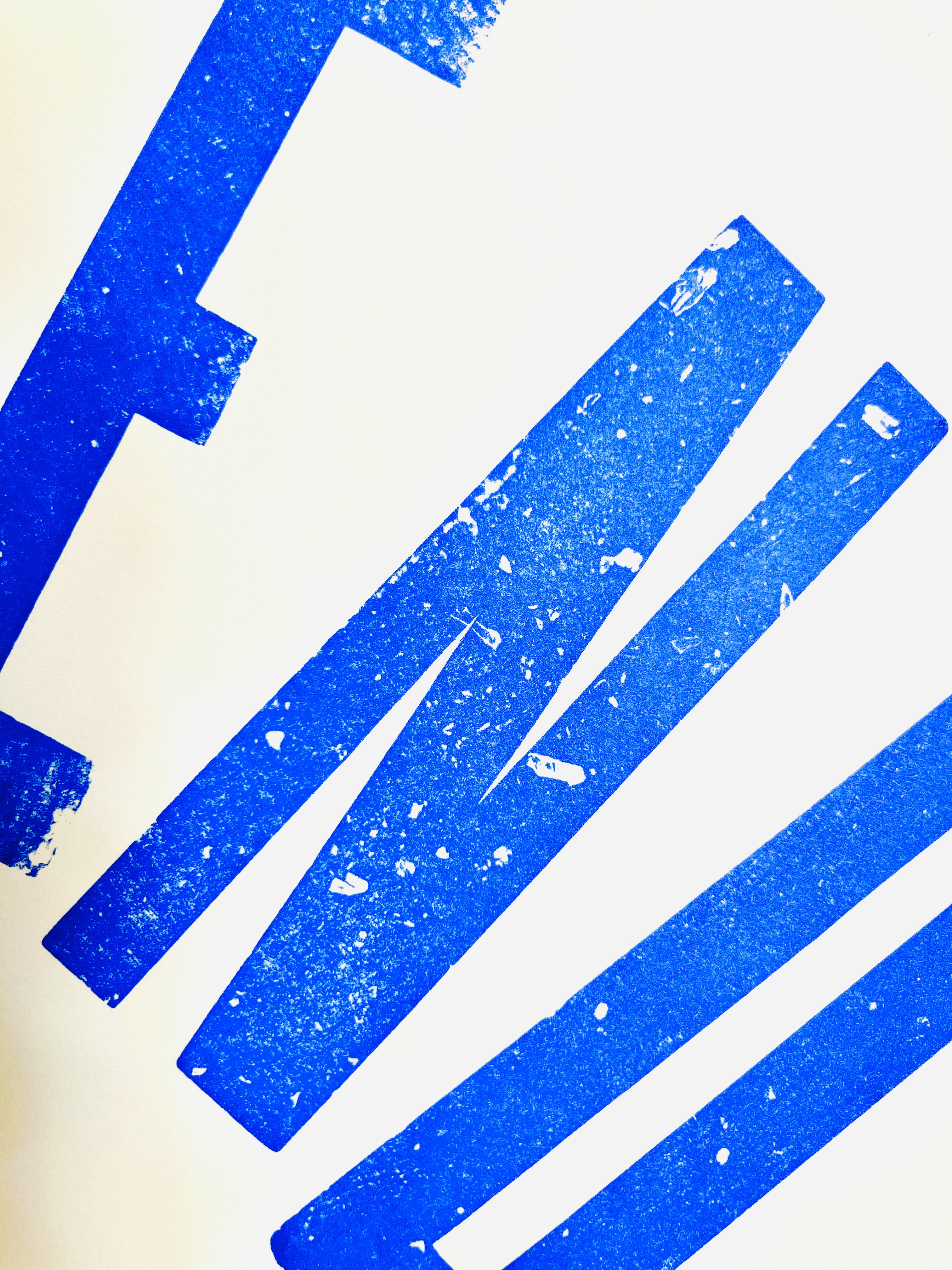
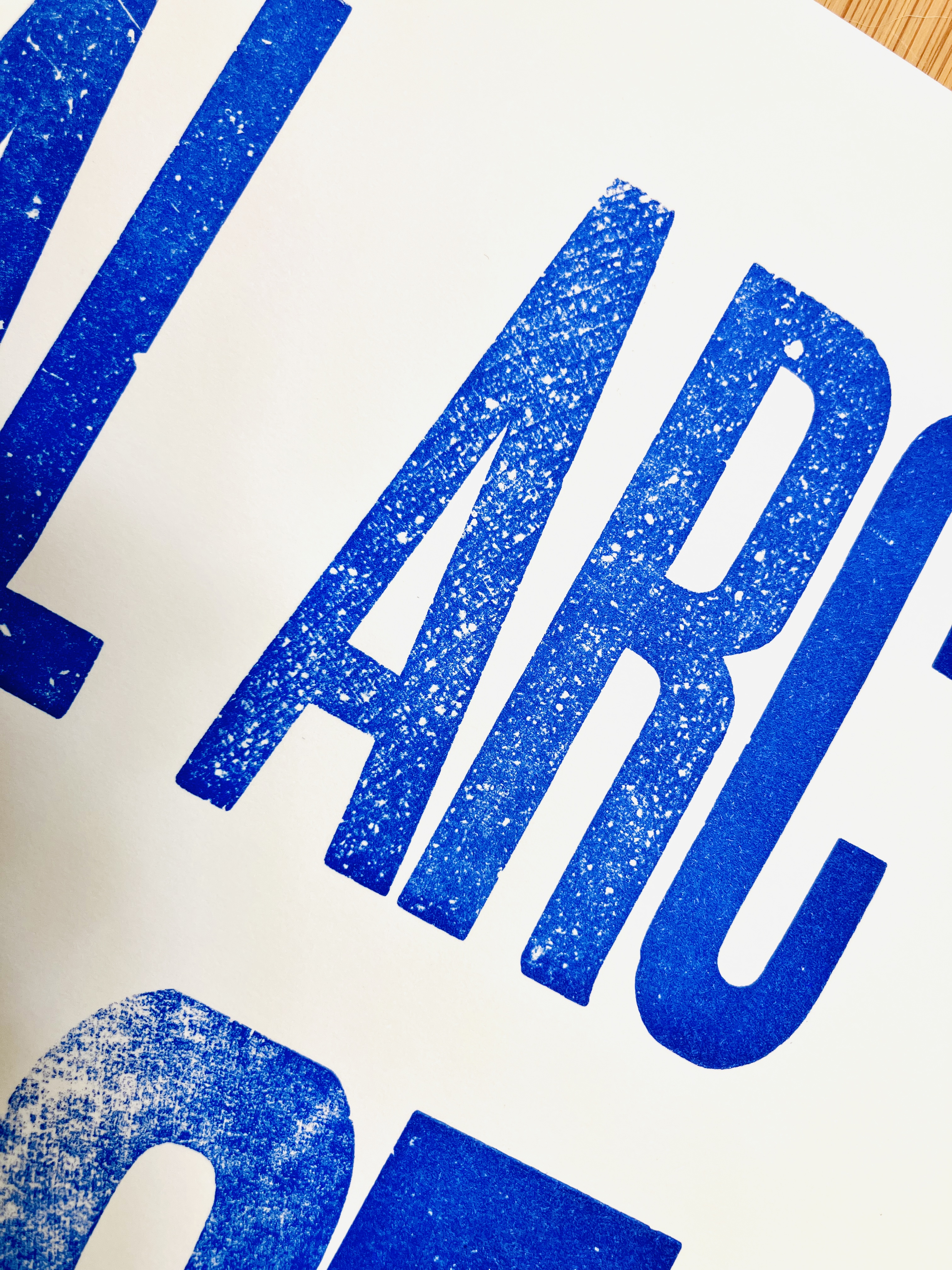
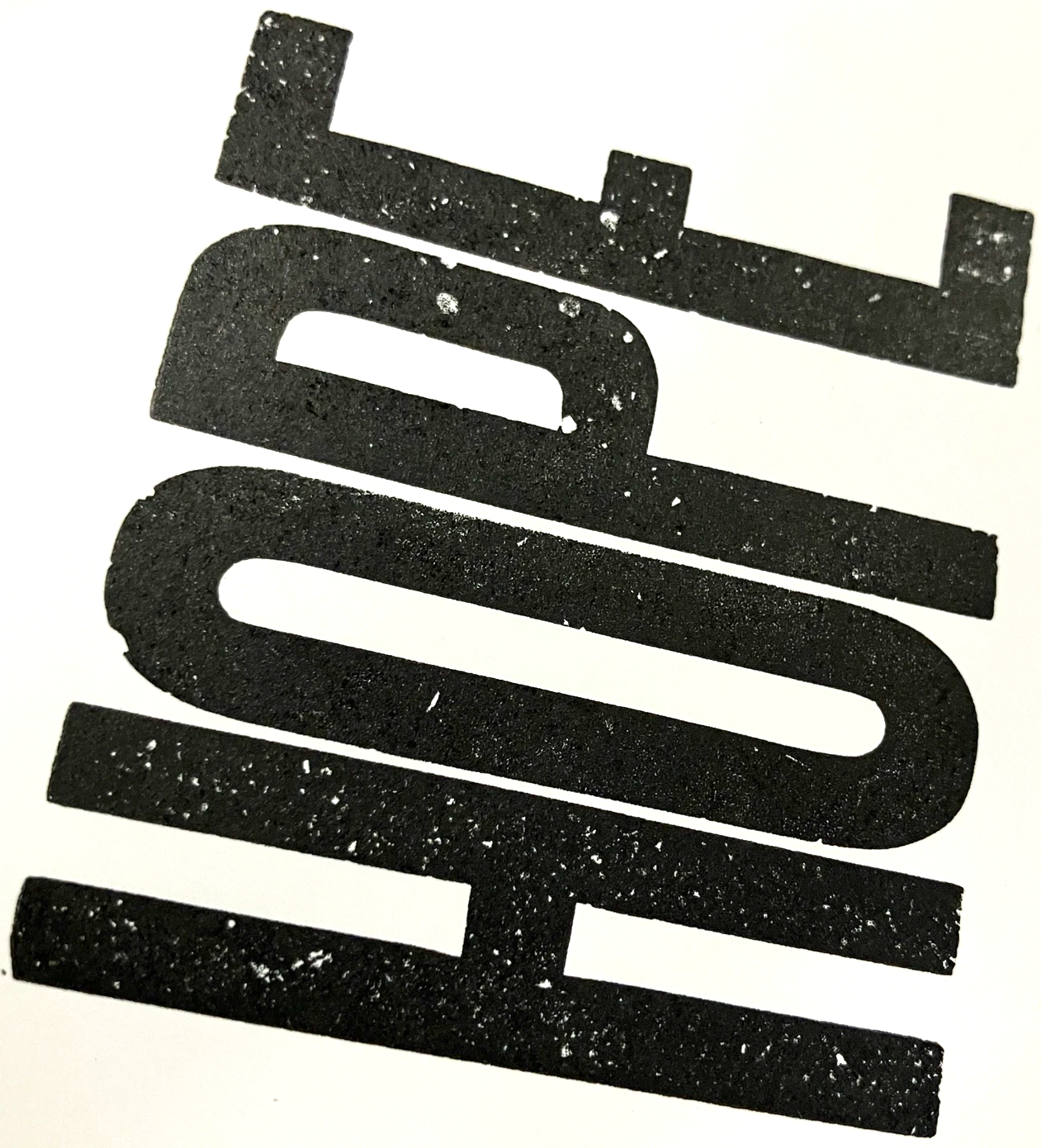
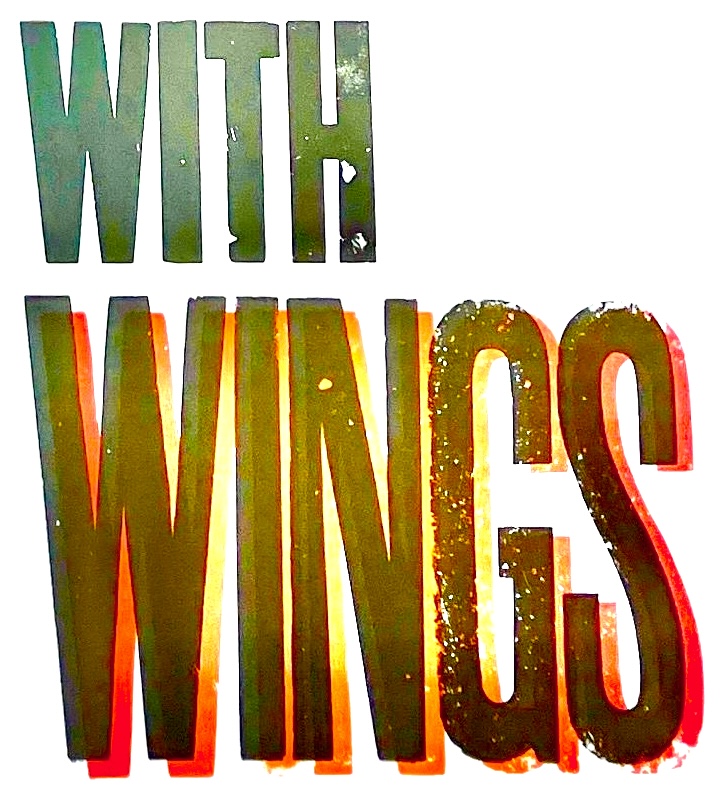
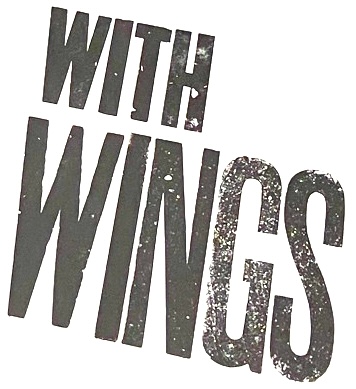

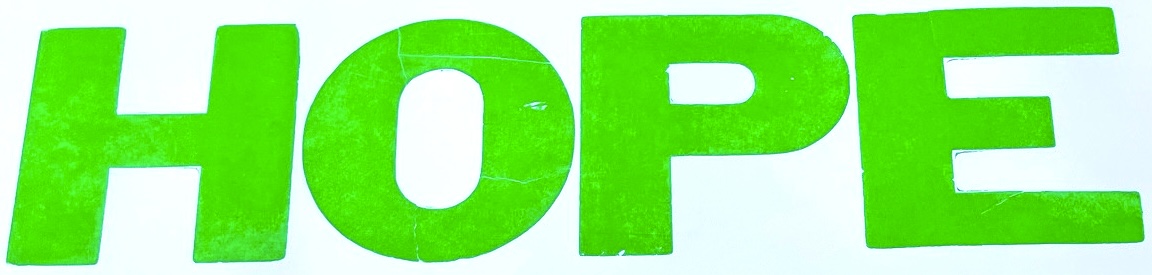
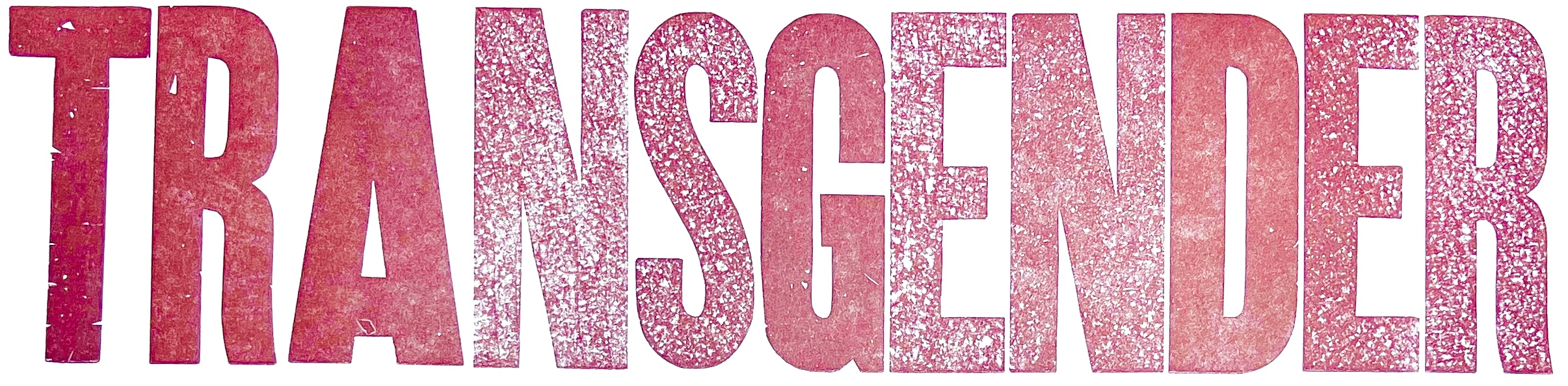
Wood Type, 180 Degrees
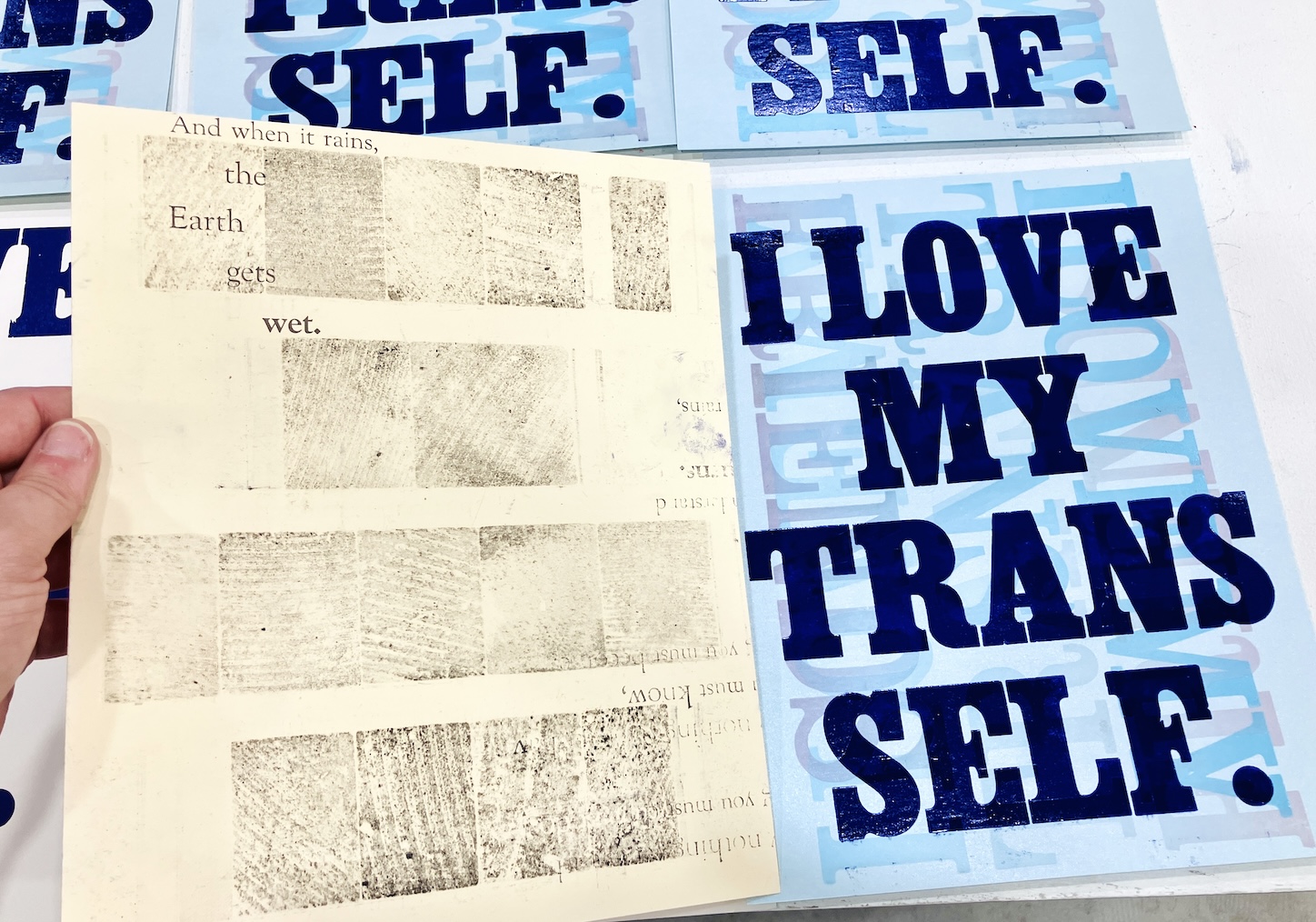
Marks left by the backs of wood sorts on a placement guide sheet after their fronts were printed.
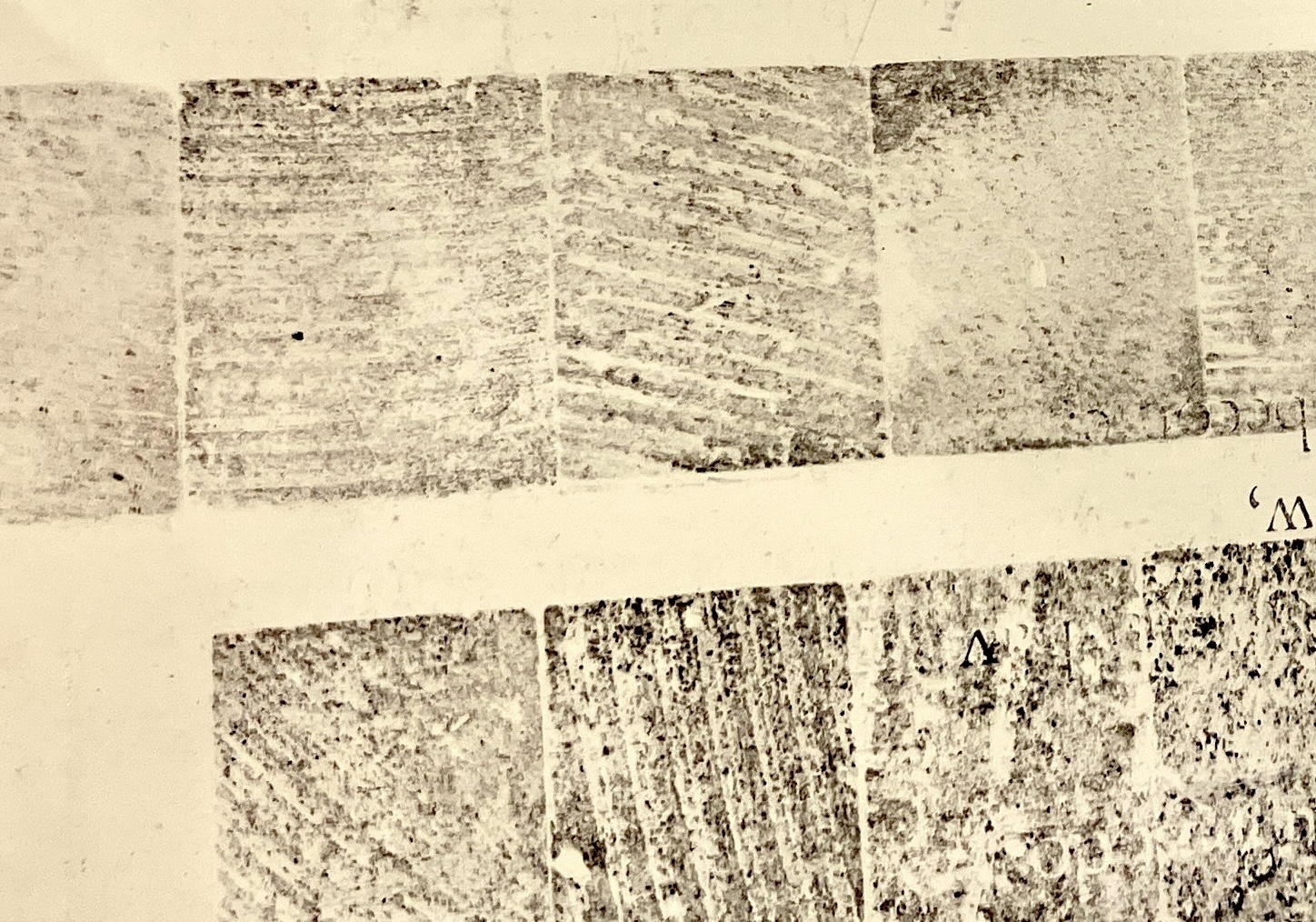
Closeup on the marks left by the back of wood sorts on paper on the press bed.